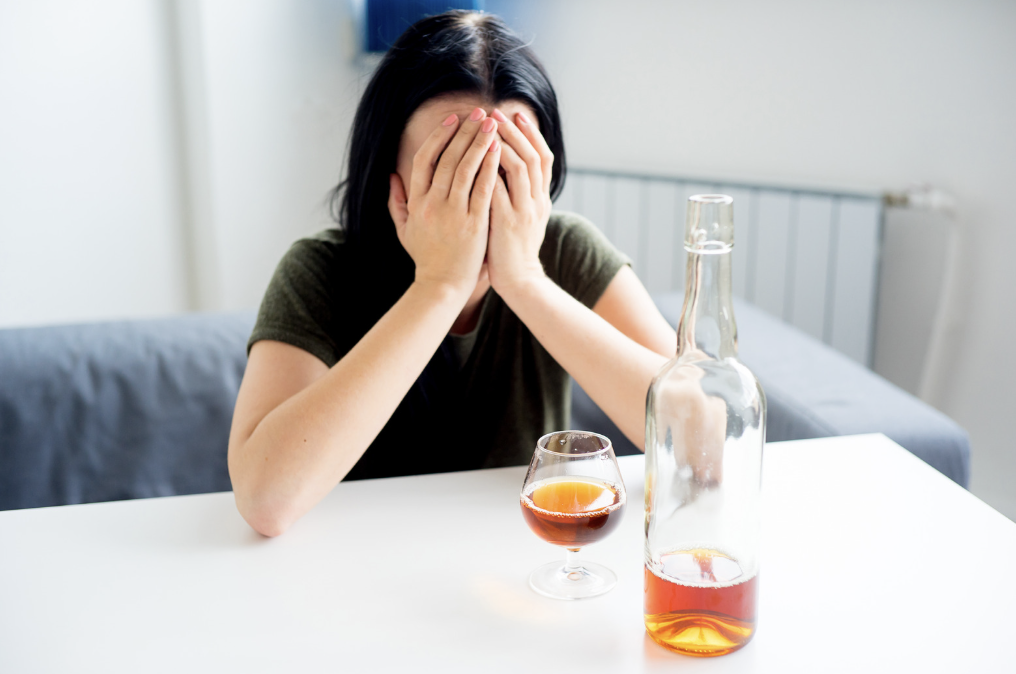
7 Signs Your Loved One Is Struggling with Alcohol Addiction
No one wants to think it’s happening. Yet, the reality is, alcohol addiction, more accurately called alcohol use disorder (AUD), is a disease that can impact anyone of any background. As you consider the signs of alcohol addiction, know that many people who are facing this chronic condition need a helping hand to get into treatment. If you don’t say something and offer help, who will?
At Victory Addiction Recovery Center, our comprehensive alcohol addiction treatment program in Lafayette, LA, provides each person with individualized care, respect, and hope for the future. We can help you, help your loved one.
The following signs of alcohol addiction demonstrate just how hard it can be to know that your loved one needs professional help. There is never a wrong time to reach out to us for guidance on what you can do. If your loved one is facing the following symptoms, contact us for immediate guidance.
#1: Physical Dependence
The defining factor for when a person needs treatment is the development of physical dependence. It occurs when prolonged or heavy use of alcohol creates a physical change in the body. When a person tries to stop using alcohol, they feel intense withdrawal symptoms, which often drives them back to drinking just to alleviate that pain.
Signs of dependence include:
- Suffering from nausea and vomiting
- Intense headaches
- Difficulty sleeping
- Rapid changes in mood
- Fatigue that does not improve with sleep
If you believe your loved one is facing these symptoms, we strongly encourage you to reach out to us to discuss a medically monitored detox program. It creates a safe place for a person to work through withdrawal without having to deal with the intensity of these symptoms.
#2: Tolerance
Tolerance is the body’s need for more. Over time, with continued alcohol use, a person needs to drink more or higher proof alcohol to achieve the desired results. Those with alcohol use disorder often develop a high tolerance, meaning they can consume a significant amount of alcohol.
Note that this may not always seem obvious. Some people hide how much they drink very well. What you see them doing may not be all they are consuming. Hiding alcohol, drinking in the morning, or drinking alone could be indications of tolerance.
#3: Neglect of Other Activities
As continued use of alcohol occurs, changes occur in the brain. The brain becomes wired to seek out the substance it is not dependent on at all costs. This often means prioritizing seeking alcohol over just about anything else, even people, activities, and causes important to them. Some examples could include:
- Not attending family functions
- Putting off activities they would have enjoyed
- Making excuses for being late to important events
- Missing birthdays or other celebrations for people they care about
- Not showing up when someone needs them, even if they promise to do so
If your loved one seems to be pushing you away, that could be due to AUD.
#4: Loss of Control
Over time, a person with AUD will find it hard to control how much and what they use. They cannot limit themselves. Even if they say they will just have one drink, they don’t.
Once they begin drinking, they may not be able to stop. They may not be able to control the quantity. You may notice that they stay longer at bars or events where alcohol is present. They may always say, “I’ll just have one drink,” and fail at doing so.
#5: Reckless Behavior Even With Cognition of Consequences
As the disease progresses, nothing is more important than seeking out alcohol. That often creates situations that are risky, and they don’t seem to care about avoiding that risk. Engagement in reckless activities such as the following may occur:
- Drinking and driving
- Legal problems
- Loss of employment
- Strained relationships
- Physical health complications
You may think your loved one would never get behind the wheel of a car. Yet, the National Highway Traffic Safety Administration shares that 30% of all traffic crashes resulting in a death across the country involve drunk drivers. Many of them don’t think they are at risk, and some are willing to take the risk.
#6: Deterioration of Appearance
Addiction creates a strong focus on using that substance. Nothing else begins to matter. Sometimes, the most obvious sign of a problem is the way a person looks. You may notice:
- Lack of grooming
- Wearing the same clothes often
- Not shaving or brushing teeth
A person facing addiction may find these activities less of a priority. That doesn’t always happen. Some people maintain outward appearances very well.
#7: Changes to Health
Many people with AUD suffer from physical ailments and complex medical conditions. Initially, you may notice changes like bloodshot eyes and a runny nose. Over time, they may suffer substantial weight loss. Slurred speech, impaired coordination, and, in some cases, tremors can form.
It’s important to realize the importance of alcohol addiction treatment. Each year, 178,000 people die in the US from excessive drinking, according to the CDC. This is a very real, life-threatening condition.
We Can Help You
Victory Addiction Recovery Center is ready to help you help your loved one. Contact our alcohol addiction treatment center in Lafayette, LA, now.