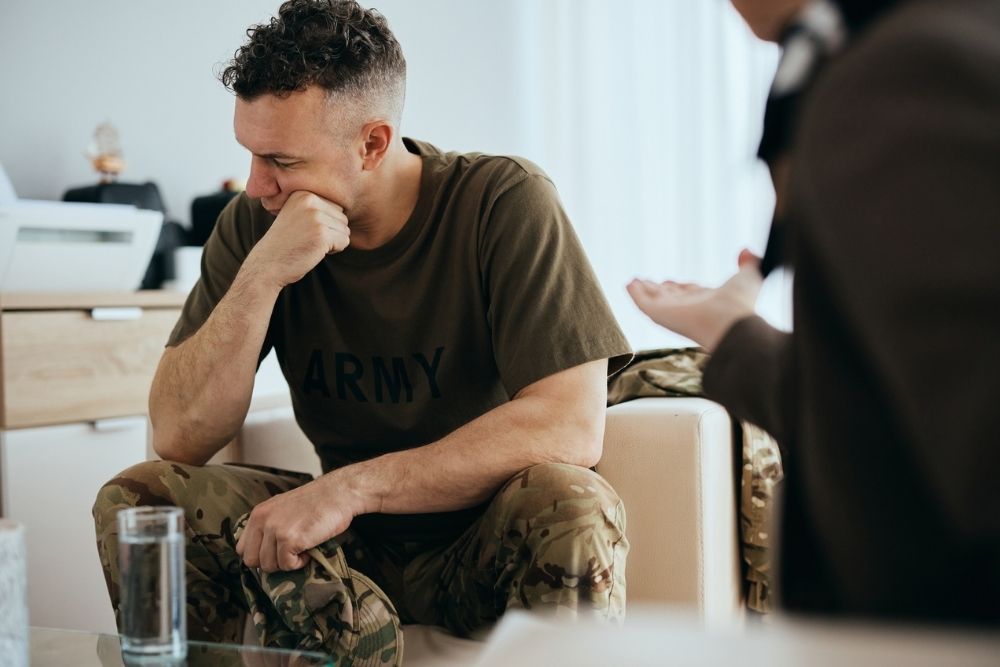
Transitioning Out of the Military With Alcohol Addiction
Alcohol use disorder (AUD) can happen to anyone who drinks consistently. For those in the military, especially those in combat areas, AUD can be a big concern. Many members of the military face mental health complications as well, including conditions such as post-traumatic stress disorder. Using alcohol sometimes becomes a crutch to stop the painful thought processes.
As you transition out of the military back to civilian life, the realization that you need to manage your AUD may be hitting you hard. You may not think you can go without alcohol in such a crucial time of your life, but you also know how important it is to gain control.
Knowledge is power, and our team at Victory Addiction Recovery Center can offer the guidance you need through our comprehensive alcohol addiction treatment program in Lafayette. LA.
How to Know You Need AUD Treatment as a Veteran
The data makes it very clear that this isn’t just a “you” problem. The facts presented in the 2023 National Survey on Drug Use and Health show that 2.8 million veterans suffer from at least one substance use disorder (SUD) in the previous year. That’s about 14%.
The warning signs of alcohol addiction can be hard to spot in yourself. You may even think you’re doing pretty well, navigating all you’ve been through, but stepping into civilian life can provide some significant clarity on how dependent you are. The following are some of the most common signs of alcohol dependence seen in Veterans:
- Increased need to drink. You need to drink, and you may be finding that you need to drink more often or larger amounts. Increased amounts to create the same effect indicate tolerance.
- You’ve tried to cut down, but it’s hard to do. You may feel like there’s too much stress or intense cravings if you try to stop drinking.
- You’re spending more time drinking. If you’re home now, you’re unsure of each day, and that may mean you’re drinking more often than you used to.
- There are physical consequences, but you’re not doing anything about them. You know you don’t feel right, or you’re struggling with your relationships. You know alcohol is at the heart of it, but you can’t just stop.
- The withdrawal symptoms are intense. Many people face nausea, intense sweating, tremors, and uncontrollable anxiety when they try to stop using substances.
In every one of these situations, the future can seem challenging. You’re dealing with massive changes in your daily life, but you are unsure how to pull it all together and move forward.
Transitioning to Civilian Life Is Challenging
You may have a plan, a job, and a place at home. Transitioning from military life to civilian life is life-transforming. No amount of prep makes this process easy.
- You’re losing the structure you’ve depended on and focused on.
- Some Veterans fight the feeling of who they are.
- Others face cultural shock and social isolation.
- You don’t fit in with your family and friends.
- Your skills are incredible, but they don’t fit easily into the work environment.
No matter what you’re experiencing, from mental health struggles to complex adjustment processes, it’s simply not easy. Those with AUD find it even more challenging.
How to Get Help for AUD as a Veteran
You’re not alone in this process of battling addiction. Like many of the other challenges you’ve faced in your future, this is another you’ll need to overcome. This time, we can be there to help you through treatment programs designed specifically for your unique situation.
Our Veterans alcohol treatment program, called Tactical Recovery, is specifically designed for what you’re facing. This program offers several unique aspects that can make getting treatment more effective and possible even if you are in the midst of transitioning back into civilian life. Our program offers:
- Compassionate, specialized care tailored to meet the needs of veterans.
- Treatment for post-traumatic stress disorder, depression, and military sexual trauma.
- Guidance for alcohol use disorder through specialized trauma-informed addiction care.
- Tools to navigate massive change while overcoming addiction, including the importance of finding your way
- Care that centers around dignity and respect for all you’ve been through and all you continue to do
When you reach out to Victory, we create a plan for you and what you’re facing. There’s no right or wrong time to contact us. As you’re transitioning to a new life, let us stand by your side, providing tools, resources, and support. Our Veterans addiction treatment in Lafayette and Metairie is available to you.
Contact Us Now for Immediate Support
Alcohol addiction is a very real and life-threatening condition. We can help through a combination of treatment programs. Set up a consultation or call with our admissions counselor at Victory Addiction Recovery Center.