What Are Hallucinogens?
Hallucinogens are a type of substance that impacts mood, thought patterns, and perception of reality. These substances can cause hallucinations, in which they hear or see things that aren’t really present. Hallucinogens affect judgment, behaviors, emotions, and mental health. They can be highly risky when used recklessly.
Many hallucinogens are addictive substances. That means they alter the structure of the brain and make it hard for a person to stop using them. For some, the effects on the brain can be short-term, while for others they may create a lasting impact.
At Victory Recovery Addiction Center, we offer substance use disorder treatment for hallucinogens in Lafayette, LA. If you are facing the inability to stop using these substances or your loved one is, contact us for immediate help.
Types of Hallucinogens
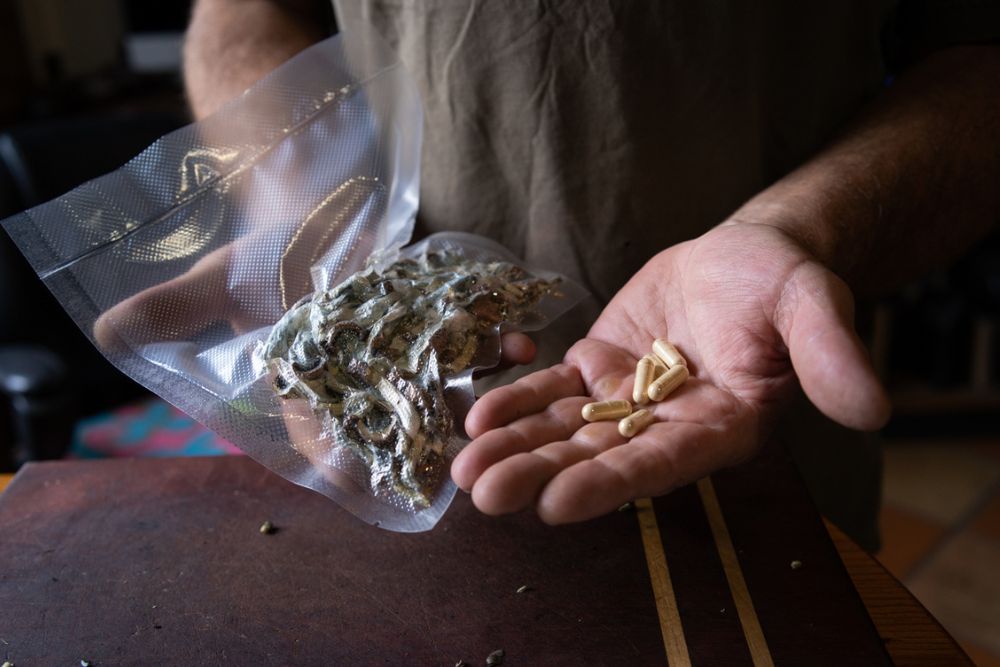
Various types of hallucinogens exist, and each operates in a slightly different manner. Many of these substances come from plants and mushrooms, though manmade versions are also available (and sometimes even more dangerous). The following are some of the most common forms of hallucinogens based on how they work.
- Psychedelics: Considered “classic hallucinogens,” these drugs include lysergic acid diethylamide (LSD), mescaline, psilocybin (magic mushrooms), and peyote.
- Dissociative drugs: Ketamine and phencyclidine (PCP).
In addition, some drugs, such as MDMA (ecstasy or molly), are not actual hallucinogens, but they have a hallucinogenic effect.
Hallucinogens can be swallowed in pill form, taken as an injection, inhaled, smoked, or eaten, depending on the type. Some are more potent and addictive than others. All have the risk of causing mental and physical impacts that can change the course of someone’s life.
What Happens When You Use Hallucinogens?
The use of hallucinogens can have a significant impact on the way your body and brain function. The specific experience differs based on the drug used. However, the short-term effects of hallucinogens often include:
- Changes in mood or emotions
- Trouble thinking clearly
- Inability to make decisions
- Increased heart rate and blood pressure
- Changes in what a person sees, hears, or feels; often experiences that are not really present
- Sweating and flushing of the skin
- Altered sense of time
- Anxiety, fear, and panic
- Trouble sleeping
- Tremors
Hallucinogens are not always a comfortable experience. Many people feel intensely agitated. They may behave in a way they would not behave without the substance. This may include putting themselves or others at risk through reckless actions.
What Are the Long-Term Consequences of Hallucinogens?
Ongoing use of hallucinogens can lead to significant impacts on brain function, physical health, and psychological well-being. The substance itself determines the outcome, but it can create very real and negative outcomes, including:
- Inability to maintain relationships and responsibilities
- Ongoing mental health symptoms
- Intense anxiety and depression
- Changes to a person’s ability to remember or pay attention
- Lack of concentration and decision-making skills
In addition to this, some people may develop a substance use disorder (SUD). When this occurs, it becomes very difficult, if not impossible, for a person to stop using a substance. About 433,000 people suffered from hallucinogen disorder, a type of SUD related to hallucinogen use, in 2023, according to data from the Substance Abuse and Mental Health Services Administration.
Can You Overdose from Hallucinogens?
The simple answer is yes. The risk of overdose depends on the type of substance. However, the risk of overdose is higher in those who use larger doses, use the substance more frequently, or mix hallucinogens with other substances. If you have any of the following symptoms or see these in others, you may be experiencing an overdose:
- Becoming unconscious and unable to be woken up
- Difficulty breathing
- Confusion or delirium
- Unable to respond
- Seizures
Do not hesitate to call 911 in these situations. This is a medical emergency that demands immediate help.
How to Know If You Need Addiction Treatment for Hallucinogens
This type of SUD typically develops over time. If you have any of the following symptoms, you may be suffering from an SUD:
- Inability to stop using the substance even though you’ve tried to do so
- Spending time and money on obtaining the substance even when there are negative consequences to doing so
- Continued use even when you recognize the harm to your physical, mental, and everyday life
- Continuing to use the substance when it impacts relationships, emotional well-being, or physical health
- Feeling intense cravings or withdrawal symptoms when you stop using the substance
Seek substance use disorder treatment if you are experiencing these or other symptoms. With treatment, you may be able to access a long-term recovery plan. Hallucinogen addiction can be managed.
Seek Guidance From Our Team Today
All forms of drug addiction happen to people who don’t deserve it. You didn’t put yourself in this situation on purpose, but you certainly can find help. Contact Victory Addiction Recovery Center for immediate help and support. We are available 24/7 to provide answers to your questions.