Can Volunteering Help You Stay Sober?
Being a volunteer is one of the best ways to give back, but it may also help you maintain your sobriety. A person with substance use disorder faces a variety of challenges. Often, that includes a desire to find purpose. As you think about what your future holds, finding a way to support others outside of the addiction world can be restorative.
At Victory Recovery Addiction Center, we encourage you to rebuild your life in a new way, achieving the goals you set for yourself. And, we help you do that. If you are considering what life after addiction might be like, contact us to learn more.
How Does Giving Back Strengthen Addiction Recovery
Volunteering helps you maintain sobriety by providing you with a sense of purpose. It provides an opportunity to learn, grow, and explore new paths. Consider how engaging in volunteer work or another way to give back can help you remain sober.
It Creates a Sense of Purpose
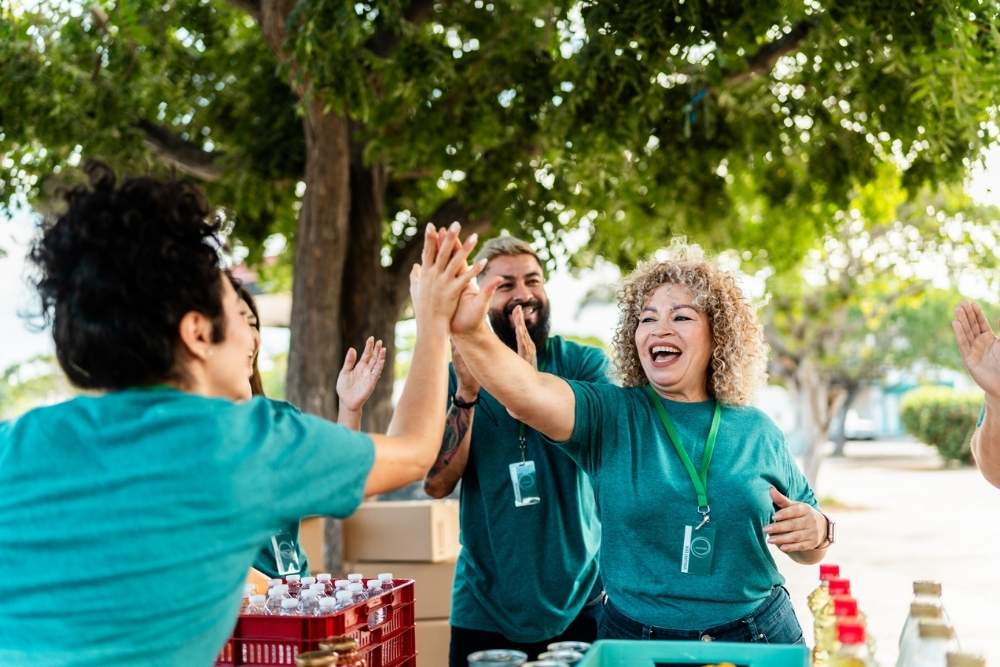
Volunteering is about doing something to help others. It’s a way of finding a new path forward that offers meaning. You can volunteer for any type of organization or cause that’s important to you. It can be a community-wide service or a local charity that needs your support.
During addiction, much of your focus is on getting through the day, having access to the substance you need, and consistently balancing responsibilities, often ineffectively. Once that dominating force is not demanding all of your attention, you can choose a new purpose that matters to you. Consider some ideas to get started:
- Do you want to help with a local homeless shelter or food pantry?
- Perhaps you want to get back into your religious beliefs or explore new ones.
- You may want to play a role in youth organizations to help steer kids off the same path you took.
What’s helped you? Are there any resources you wish you had access to? There’s no limitation on the number of opportunities available. It’s super hard to answer the question about what your purpose in life is after addiction. By defining that purpose through volunteer work, you eliminate the negative thoughts that are so commonly limiting.
It Creates Structure
Another benefit of engaging in volunteer work is that it builds structure into your day. You’ll have new responsibilities, even if it is just a few times a month. You have someone who is expecting and depending on you, and you’ll quickly see that this creates a new sense of pride.
Creating structure also helps to avoid idle time. That’s important for anyone on the path to recovery. The more active you are throughout your life, the less likely you are to explore past habits and experiences.
It Boosts Self-Esteem
A person who’s engaged in helping others realizes their worth. You feel like getting up each day is doing something to better others. That directly contributes to your sense of self-worth.
During addiction recovery, it can be hard to see the good in what you do and what you can offer to the world. By getting out there and demonstrating those very real, authentic values, it becomes clear that you matter. It’s also a good way to restore trust in yourself, especially when you’re volunteering with friends and family on the same mission.
Many of those who have substance use disorder (SUD) also battle mental health problems, including anxiety, trauma, and depression. Research indicates that these conditions often share underlying causes, including changes in the way the brain works and vulnerabilities. Exposure to positive experiences helps reinforce beneficial thought processes and helps restructure your brain in a meaningful way.
It Can Help Prevent Relapse
Volunteering doesn’t cure addiction, and it cannot fully prevent relapse. What it can do is provide a variety of tools and strategies to minimize the risk of relapse occurring. That’s because of several things:
- It keeps you active and focused on the good things you are doing. That means there’s less time for the negative thoughts to creep in.
- It replaces boredom that can be a common factor in seeking out recreational drugs or other less-than-desirable activities.
- Volunteering prevents loneliness. You’re surrounding yourself with others, and that social support can be critical in rebuilding your health and wellbeing overall.
Volunteering like this allows you to put your time and attention into something new and, in its own way, demanding of your attention. For some, it’s easy to see the value of showing up and helping others who need it, especially if no one did that for you or you had to battle your way up.
Set Up a Conversation With Our Team
At Victory Addiction Recovery Center, we believe in providing you with the tools you need to thrive from the day you start care and for years to come. Learn more about our alumni support and how you can play a role in helping others. Contact us now.